Discover the groundbreaking updates in the WHO tuberculosis guidelines 2025 that promise shorter, all-oral treatment regimens and improved patient outcomes.
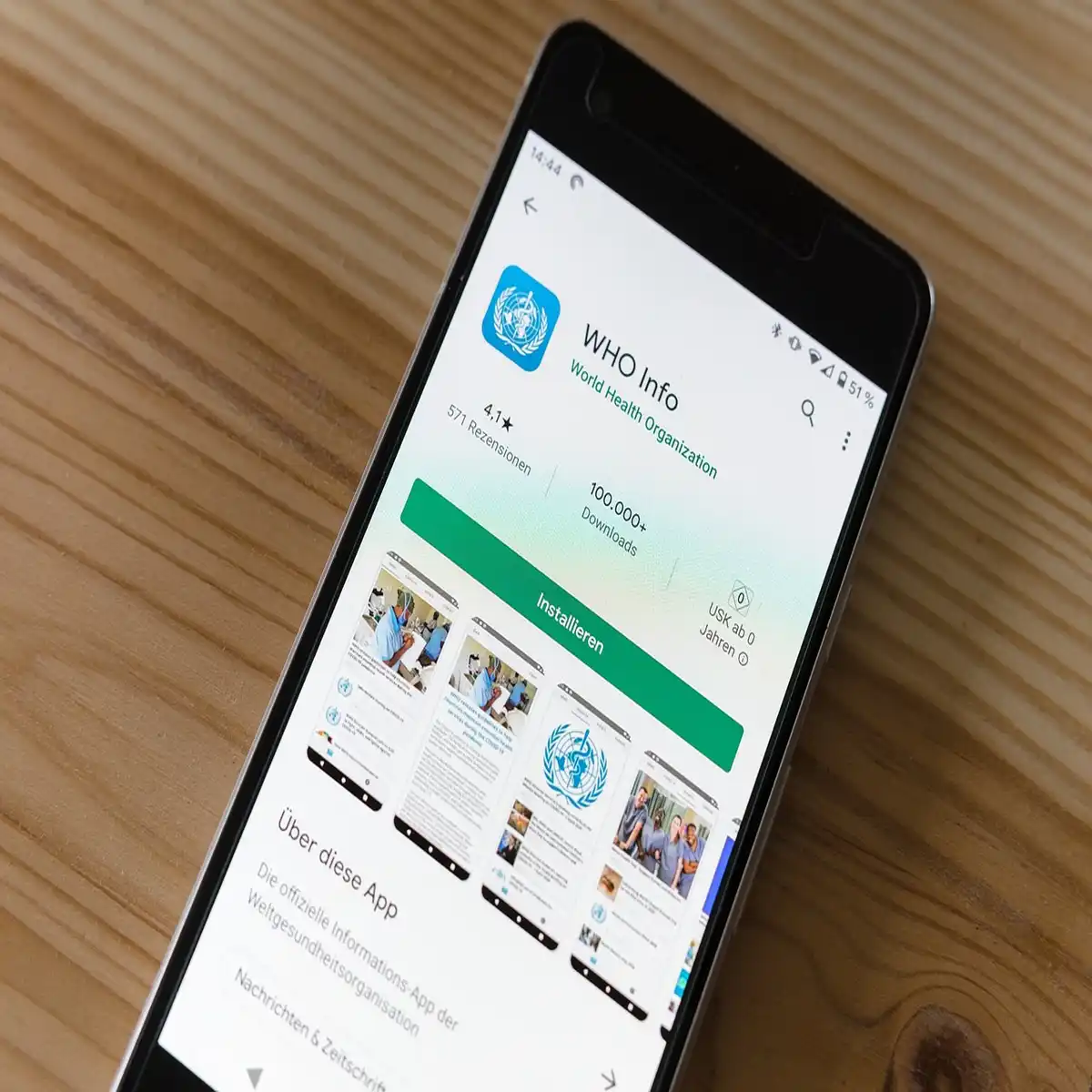
The World Health Organization (WHO) has taken a monumental step in the fight against tuberculosis (TB) with the release of updated consolidated guidelines. On April 16 and 15, 2025, WHO unveiled Module 3: Diagnosis and Module 4: Treatment and Care, respectively. This comprehensive revision emphasizes a unified approach to improving TB diagnosis and management worldwide, focusing greatly on shorter and all-oral treatment regimens for both drug-susceptible and drug-resistant TB.
Read Also – 👉👉Natural Testosterone Boosters: 5 Reasons Why TestoPrime Leads the Market👈👈
Key Highlights of the New WHO Guidelines
Module 3: Diagnosis
WHO’s “Consolidated Guidelines on Tuberculosis: Module 3: Diagnosis” presents an integrated and extensive look into TB detection. It brings together existing policies to form a user-friendly guide aimed at enhancing TB diagnosis. Noteworthy are recommendations for concurrent testing across diverse samples, highlighting inclusivity for all age groups as well as those living with HIV. Additionally, the introduction of two new classes of diagnostic technologies aims to facilitate initial TB detection and assess rifampicin resistance efficiently.
Module 4: Treatment and Care
Module 4 unifies WHO’s best practices for managing both drug-susceptible and drug-resistant TB. With recommendations rooted in rigorous evidence, the guidelines suggest innovative patient care and support strategies. Utilizing the GRADE methodology ensures that the recommendations aim for safety and effectiveness, greatly prioritizing patient well-being.

Read Also – 👉👉AI in Cardiology: 5 Breakthroughs Predicting Sudden Cardiac Death👈👈
Groundbreaking Changes in Treatment Regimens
New Treatment Approaches Based on Recent Evidence
- **Shortened Treatment Duration for Drug-Susceptible TB:** Adults and adolescents now have access to a four-month regimen utilizing a combination of isoniazid, rifapentine, pyrazinamide, and moxifloxacin. Children, too, benefit from these shorter treatments.
- **All-Oral Regimens for Drug-Resistant TB:** For multidrug-resistant (MDR) and rifampin-resistant TB, the guidelines propose six-month all-oral treatments that significantly lower the previous requirements of lengthy injection therapies. The BPaLM and BPaL regimens are prime examples of these advancements.
- **Expanded Safety Monitoring Practices:** The guidelines stress pre-treatment drug-susceptibility testing and encourage closely monitored direct observed therapy (DOT) to bolster patient safety and deter resistance.

Read Also – 👉👉High-Protein Diet Benefits: 5 Compelling Reasons to Add Protein to Your Plate👈👈
Implementation Support and Regional Collaboration
Operational Handbooks and Workshops
To ensure these guidelines transition from paper to practice, WHO is offering operational handbooks tailored for TB programs worldwide. Supportive regional workshops will help further integrate these guidelines into national TB frameworks, with assistance from major health organizations like the CDC, ATS, ERS, and IDSA.
Gaining International Consensus
This alignment from various health institutions and organizations highlights a consensus emerging around this transformative approach to TB management. Collaboration at this level not only strengthens the foundation of TB health care systems globally but also promotes sustained commitment to research and innovation.

Read Also – 👉👉Lessons Learned from HIV and COVID-19 Pandemics: 5 Key Insights👈👈
Impact and Significance of the Guidelines
Transformative Effects on Public Health
- **Reducing Patient Burden:** Simplified treatment regimens promise fewer pills, fewer side effects, and a lesser time commitment, possibly leading to better completion rates.
- **Enhancing Public Health Outcomes:** Prompt and efficient treatments help mitigate TB transmission risks and the development of drug resistance.
- **Supporting Vulnerable Populations:** Special recommendations tailored for children and HIV-positive individuals aim to prioritize equity in accessing TB care.

Read Also – 👉👉Mumps Vaccine Inclusion in India: A Long Overdue Necessity👈👈
Conclusion
The WHO’s consolidated guidelines on tuberculosis represent a transformative leap towards modern TB care. With shorter, all-oral regimens and a patient-centered approach to treatment, these guidelines position the global community to substantially curtail TB incidence and mortality. By integrating these findings into national health policies, we are moving closer to eradicating this infectious disease that has plagued humanity for far too long.
FAQs
What are the main updates in the WHO tuberculosis guidelines 2025?
The main updates include shorter treatment regimens for drug-susceptible TB, all-oral regimens for drug-resistant TB, and improved diagnostic recommendations.
How do the new guidelines affect treatment duration for TB?
Adults and adolescents with drug-susceptible pulmonary TB can now be treated in four months instead of six. Drug-resistant TB now has six-month all-oral treatment options.
What is the significance of the operational handbooks provided by WHO?
The operational handbooks are designed to aid TB programs in implementing the new guidelines effectively, ensuring a smoother transition from recommendations to practice.
Related Videos
Read Also –
This article synthesizes the latest detailed WHO guidelines and recommendations from major health authorities published in early 2025, underscoring the ongoing commitment to advancing tuberculosis management worldwide.
Read Also –
| https://www.who.int/publications/i/item/9789240107243 |
| https://www.cdc.gov/tb/php/dear-colleague-letters/2025-treatment-guidelines.html |
Hey! I hope you enjoyed reading this! If you did, could you do me a small favor and hit the like button? It would mean a lot to me and help me reach more people. Thank you so much! Got any thoughts on this post? Drop them in the comments below!
How many stars would you give for my effort?